
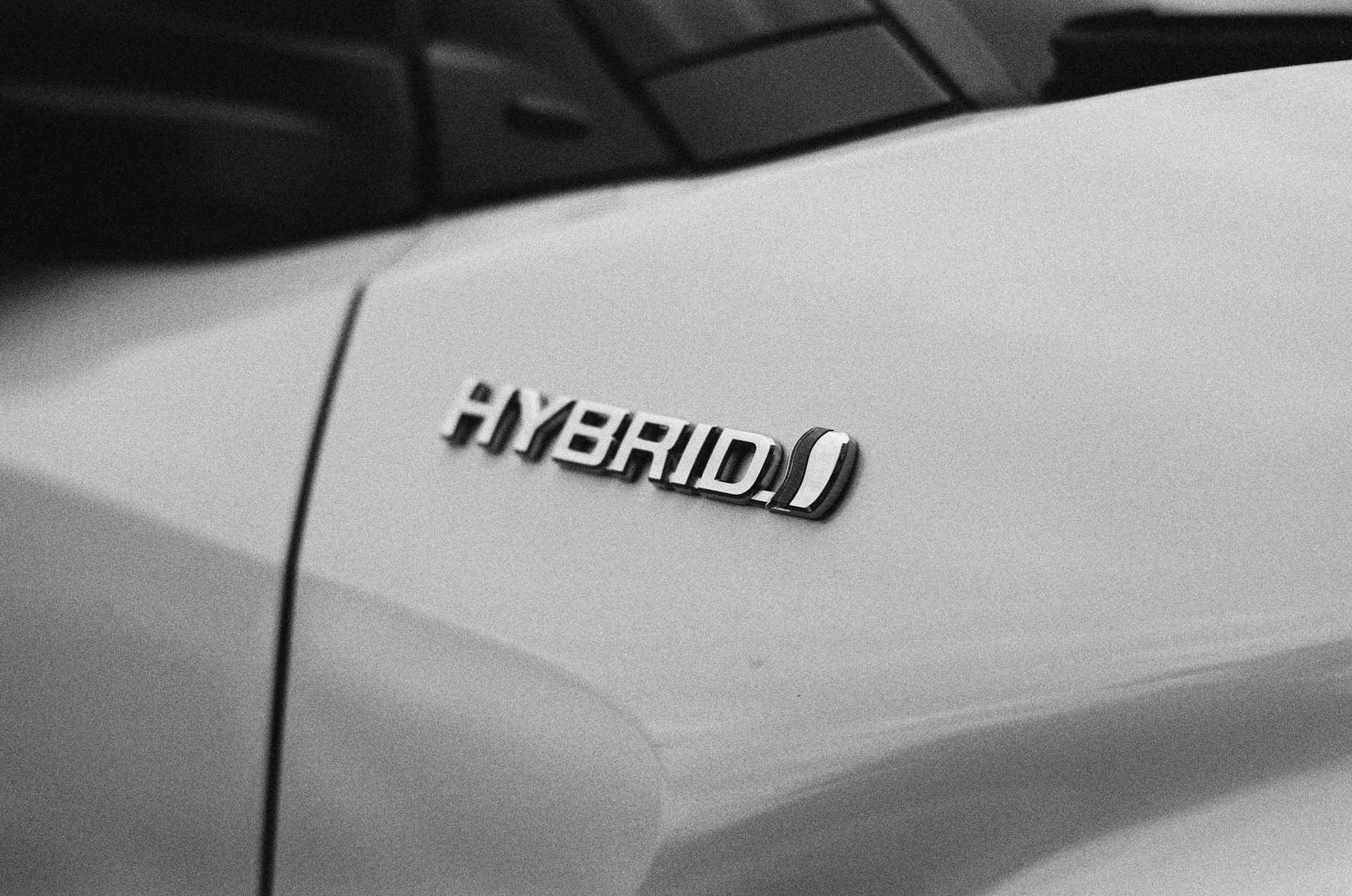
Hybrid cars have moved from niche technology to a practical choice for many drivers who want lower fuel consumption and reduced emissions without giving up the convenience of gasoline. With rising fuel prices and growing environmental awareness, more people are considering hybrids as their next vehicle. However, buying one involves more than choosing a stylish model or a well-known brand. Hybrid vehicles combine electric motors with gasoline engines, and the technology can vary significantly from one car to another. Understanding the main features that influence performance, efficiency, and long-term ownership cost helps buyers make a confident decision. By focusing on the most important aspects, shoppers can select a hybrid car that fits daily driving needs and offers reliable value.
Fuel Efficiency and Mileage Ratings

Fuel efficiency is often the main reason people choose hybrid vehicles, so examining mileage ratings is essential. Hybrids are designed to consume less fuel by combining an electric motor with a gasoline engine, especially during city driving where frequent stops occur. Some models deliver impressive fuel economy in urban traffic, while others perform better on highways. Buyers should review official fuel consumption ratings and compare them with real-world reports from drivers. It is also helpful to understand how regenerative braking works, since this system captures energy during braking and sends it back to the battery. A hybrid that balances electric and gasoline power effectively can lead to noticeable savings at the pump over time.
Battery Life and Warranty
The battery system is the heart of any hybrid vehicle, making its durability an important factor. Hybrid batteries are designed to last many years, but their lifespan may depend on driving habits, climate conditions, and vehicle maintenance. A good hybrid should include a long battery warranty, often covering eight to ten years or a certain mileage limit. This warranty gives buyers confidence that the manufacturer stands behind the technology. It is also wise to check the cost of battery replacement, even though replacements are rare within the warranty period. A strong battery system helps the vehicle maintain consistent performance and supports efficient energy use throughout the life of the car.
Type of Hybrid System
Not all hybrids operate in the same way, and understanding the type of hybrid system is important when choosing a vehicle. Some cars use a full hybrid system that allows the car to run on electric power alone at low speeds. Others are mild hybrids, where the electric motor only assists the gasoline engine rather than powering the vehicle independently. Plug-in hybrids offer another option, allowing drivers to charge the battery from an external power source and drive longer distances using electricity. Each type has advantages depending on driving patterns. For example, commuters with short daily trips may benefit from plug-in models, while drivers who travel longer distances may prefer a traditional hybrid setup.
Driving Performance and Comfort

Although fuel efficiency is important, overall driving experience should not be overlooked. Hybrid vehicles vary in acceleration, ride quality, and interior comfort. Some models emphasize economy …